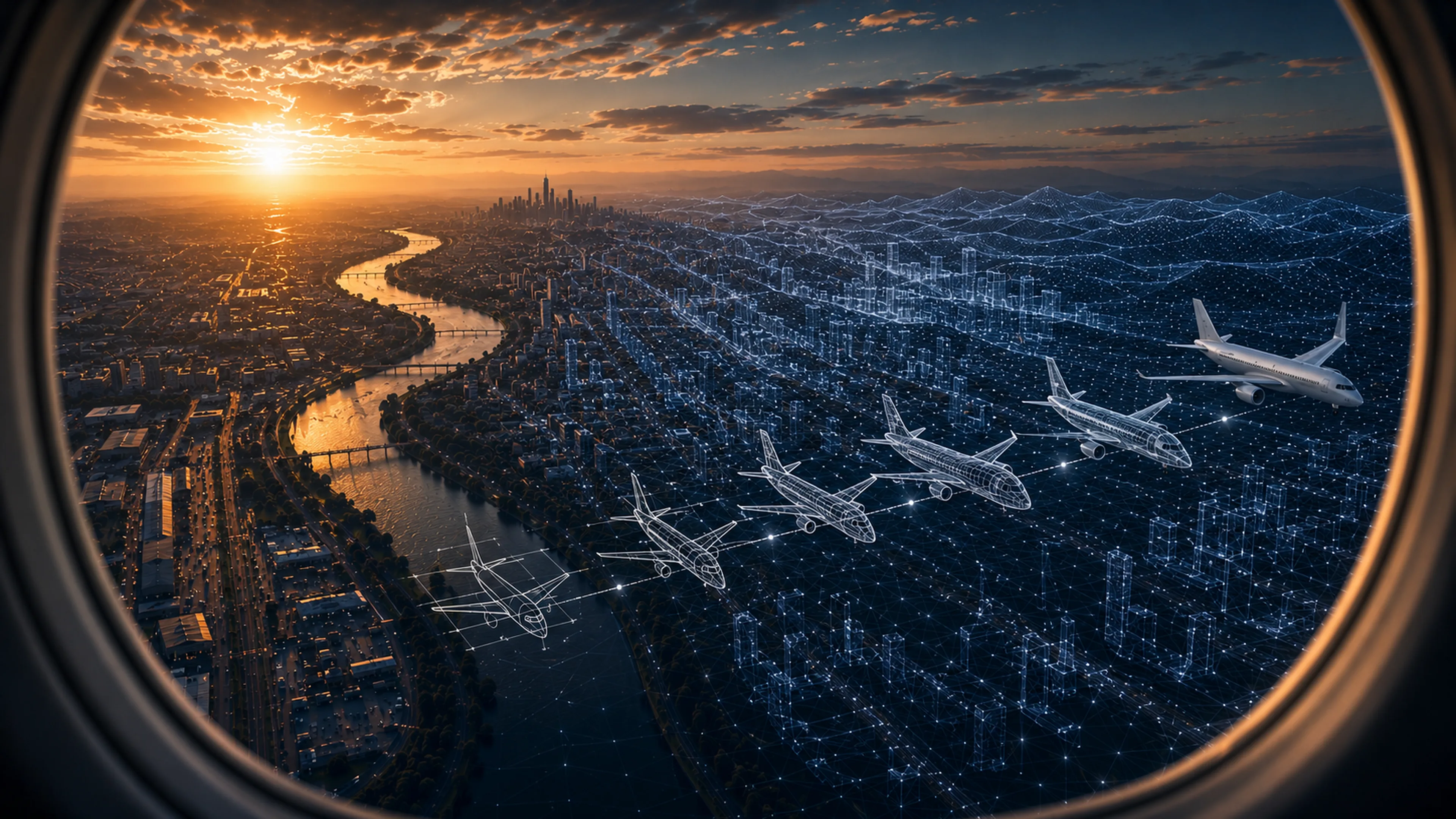
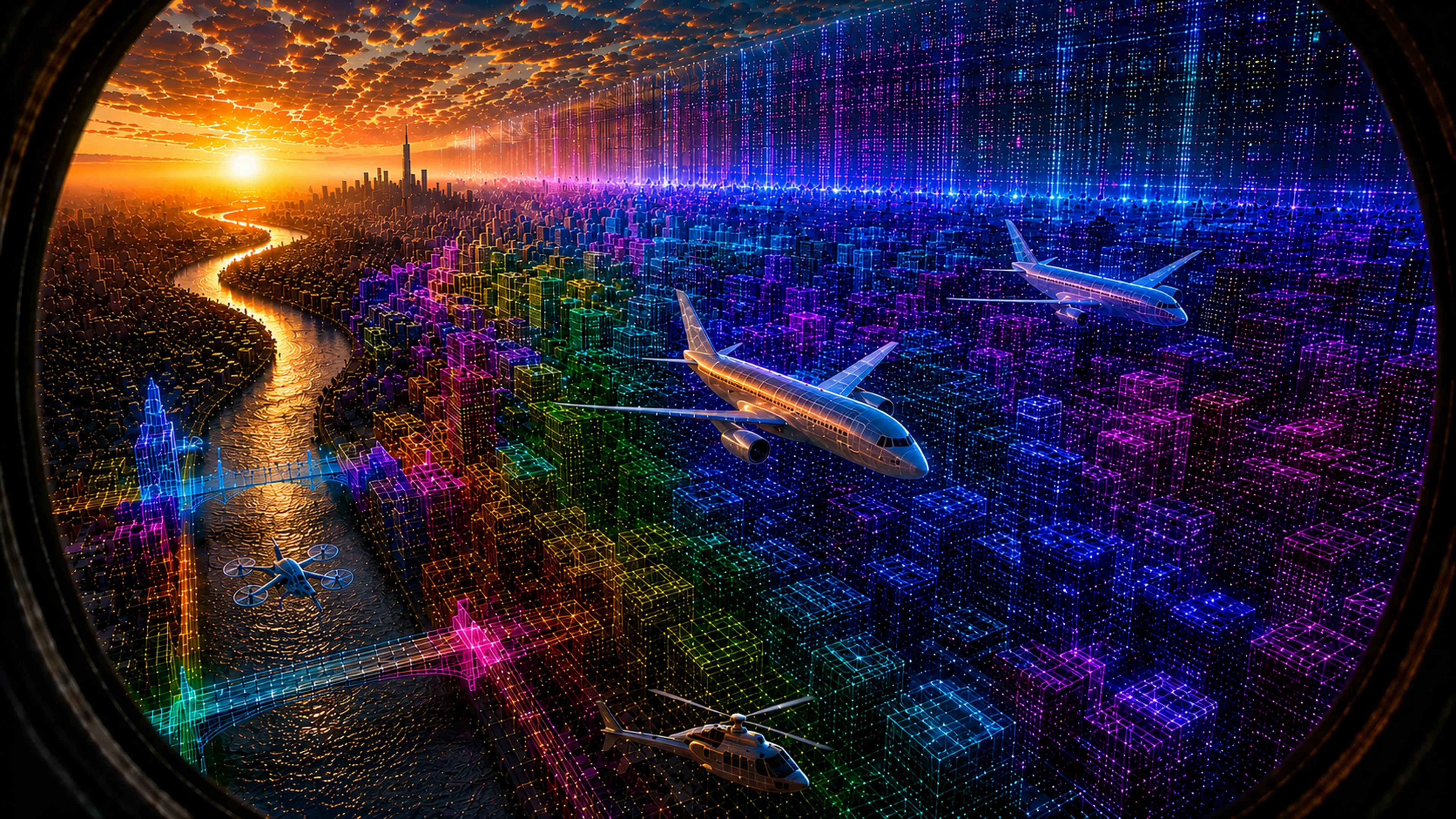
Exploring how computation, physics, and design shape the future of engineering.
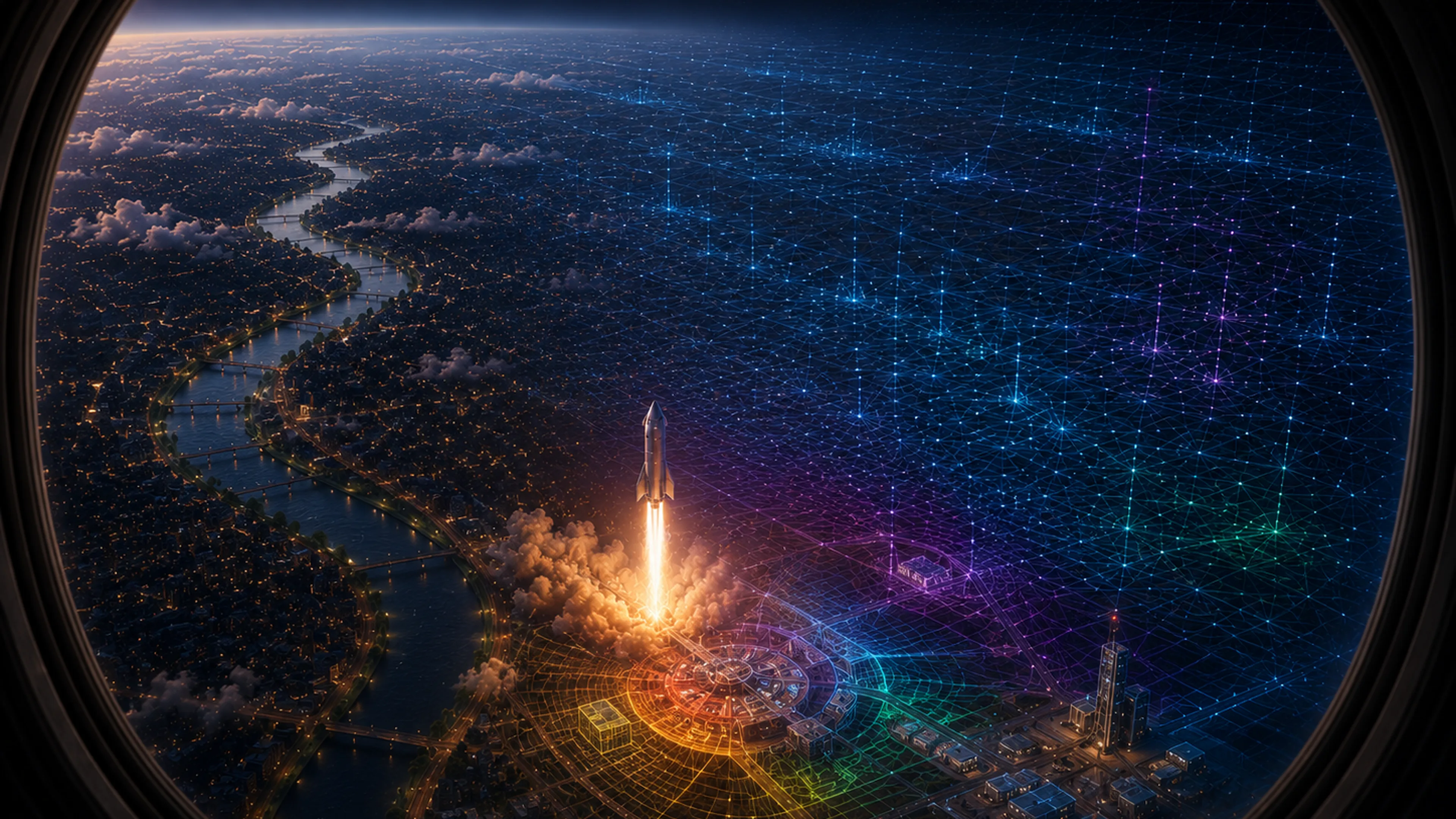
To me, computation is more than simulation. It is a way of translating physical reality into something we can explore, question, and evolve. Physics provides the underlying truth, design gives direction and purpose, and computation becomes the bridge between imagination and what can ultimately exist.
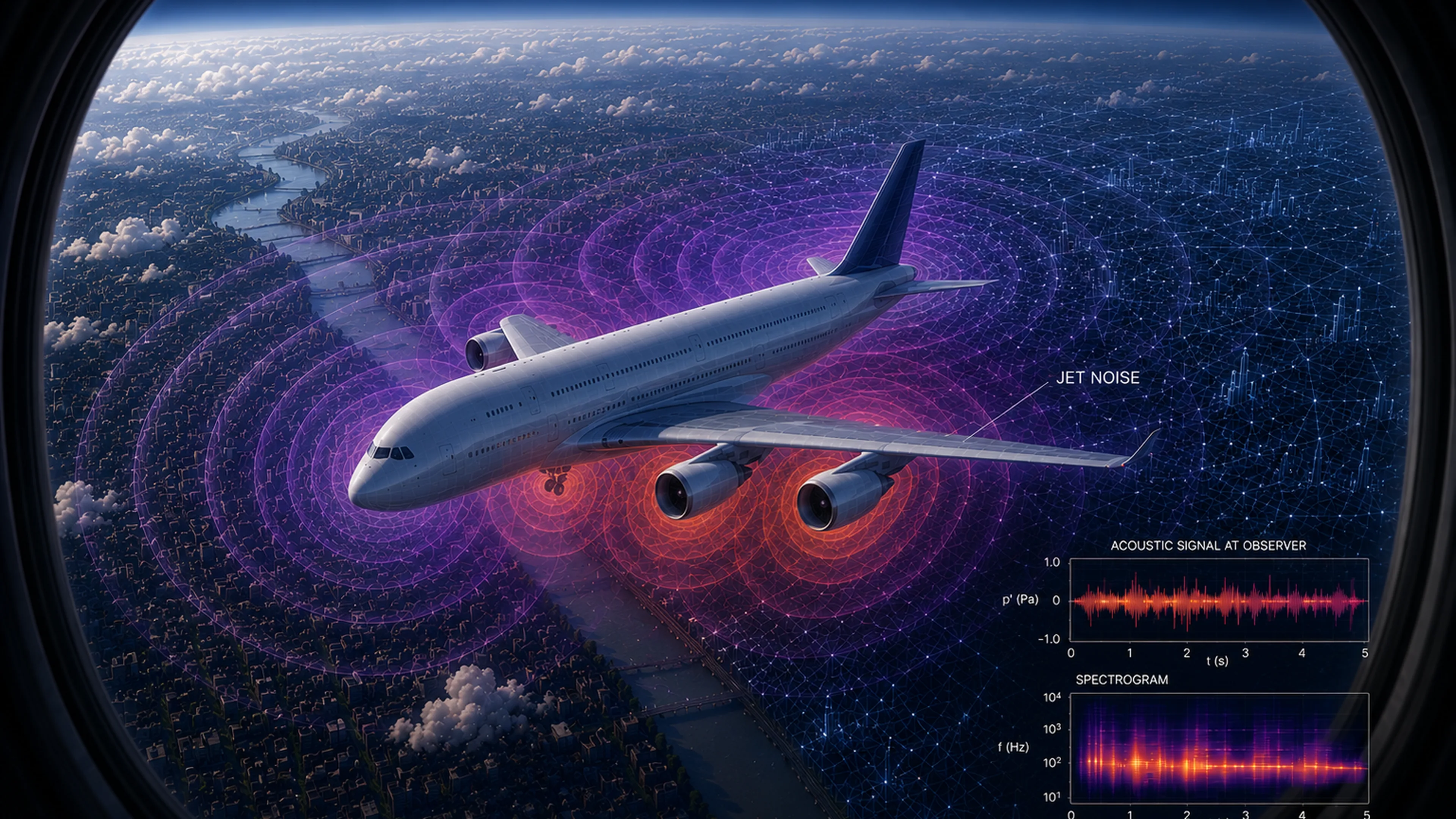
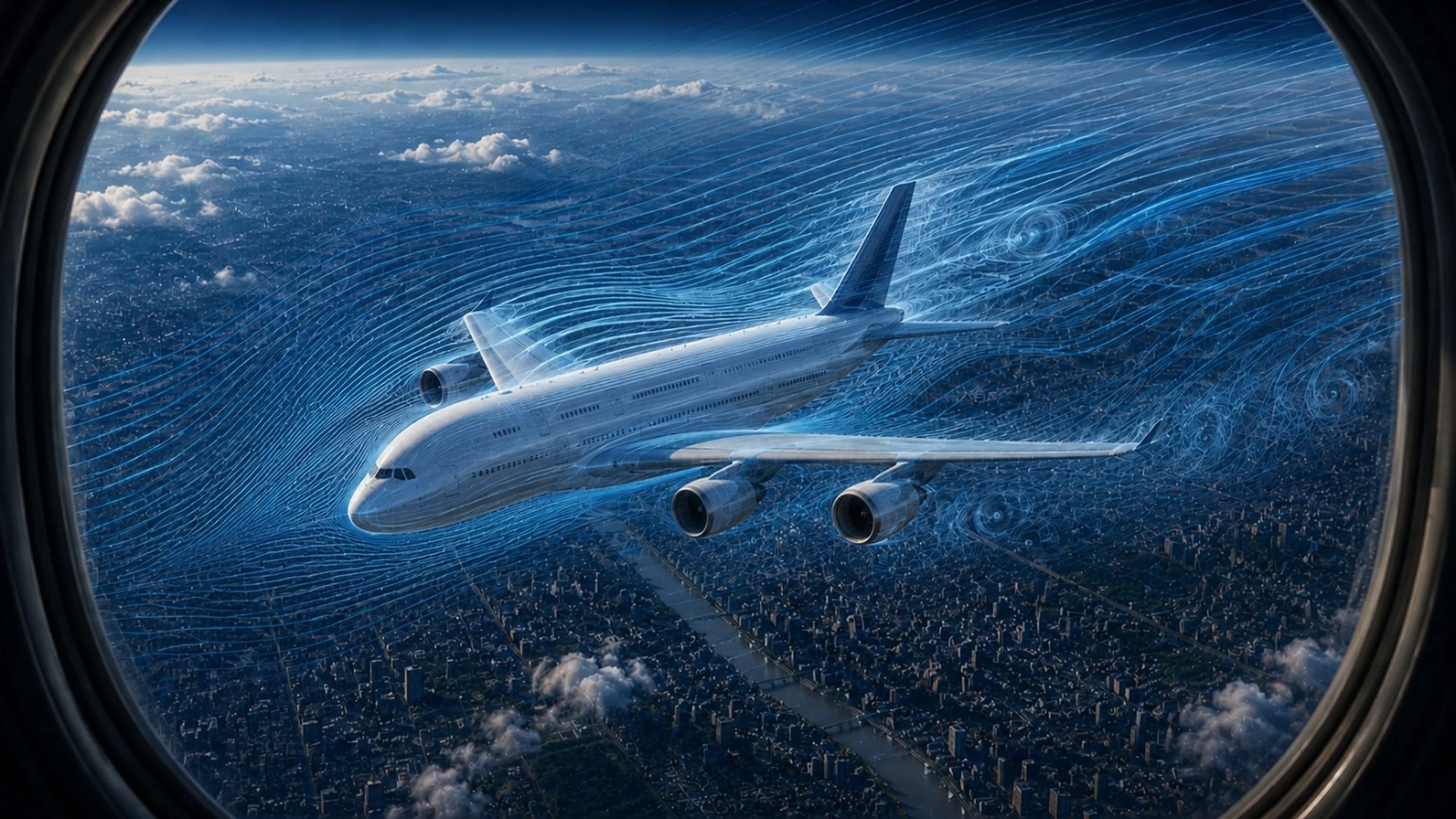
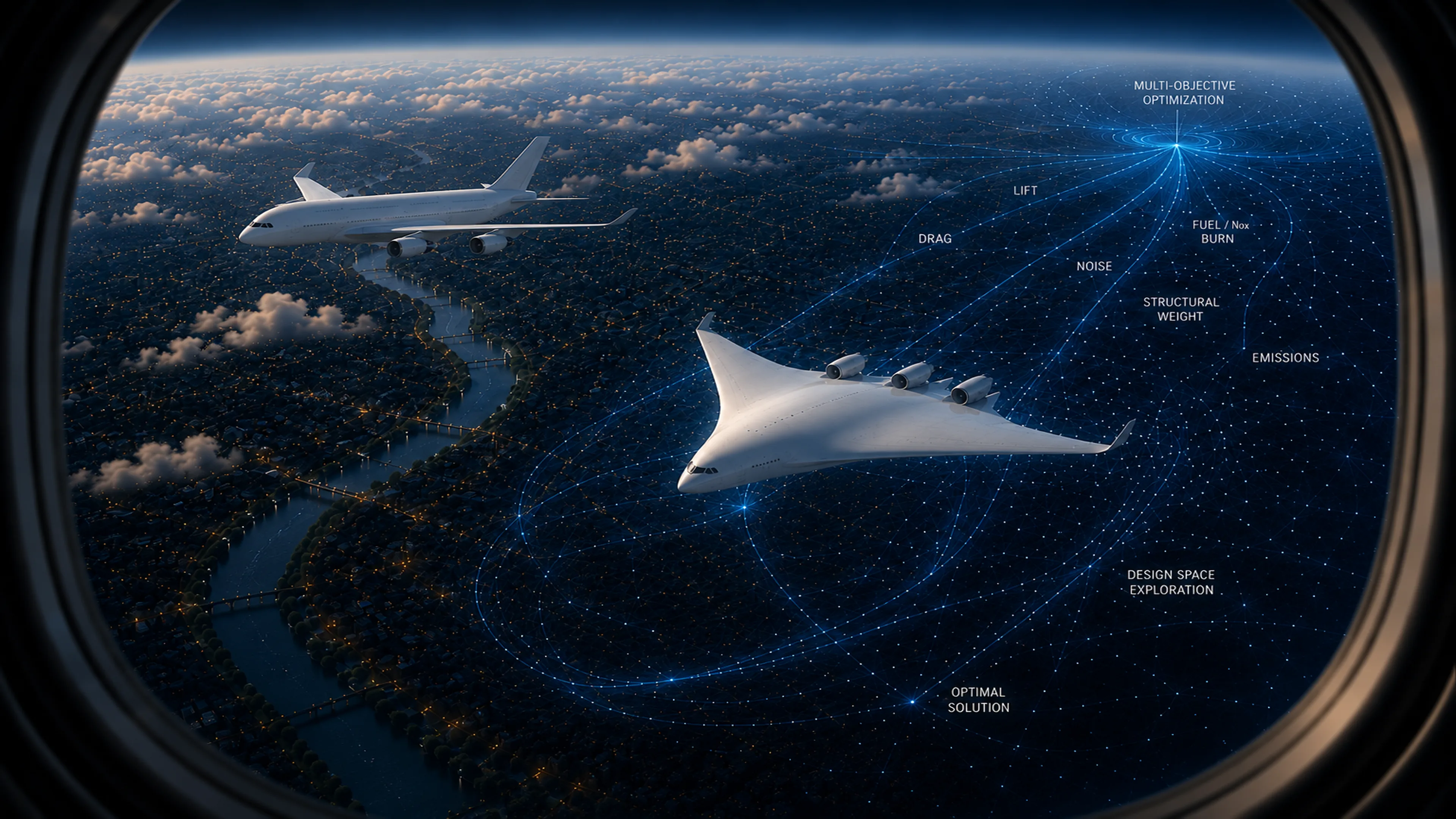
My work focuses on computational engineering approaches spanning aeroacoustics, multidisciplinary design, optimization, and high-fidelity simulation. I'm particularly interested in how large-scale computation, emerging numerical methods, and intelligent systems can fundamentally change the way we understand and engineer complex systems.
Artificial intelligence is becoming a strong emerging force influencing how we carry out engineering missions, allowing us to move closer to ideas and capabilities once considered unreachable. I'm particularly interested in how AI can help bridge the gap between what already exists and what becomes possible next, not by assuming revolutionary technologies appear in isolation, but by finding the right path to position new capabilities on top of existing engineering foundations, methods, and physical understanding. Progress in engineering has always depended on carefully building between what is known, what is achievable today, and what still remains to be discovered, and AI has the potential to significantly accelerate that process when applied with the right balance of physics, computation, and engineering intuition.
Focus
- Aeroacoustics
- Computational Fluid Dynamics
- Multidisciplinary Design Optimization
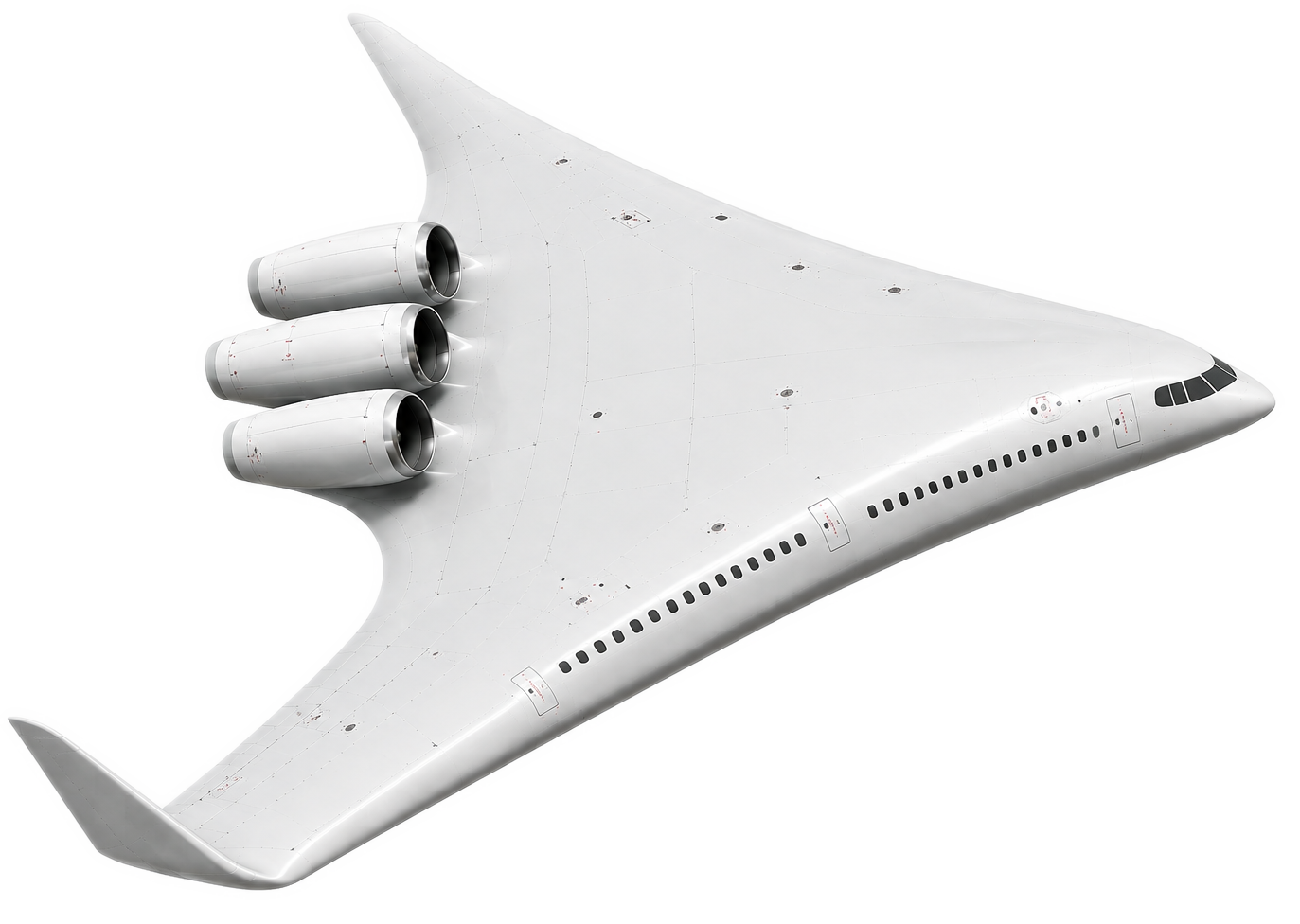
- Aircraft Design
- AI in Design and Computation
- Unsteady Flow Physics
- Exascale Computing
- Future Engineering Systems
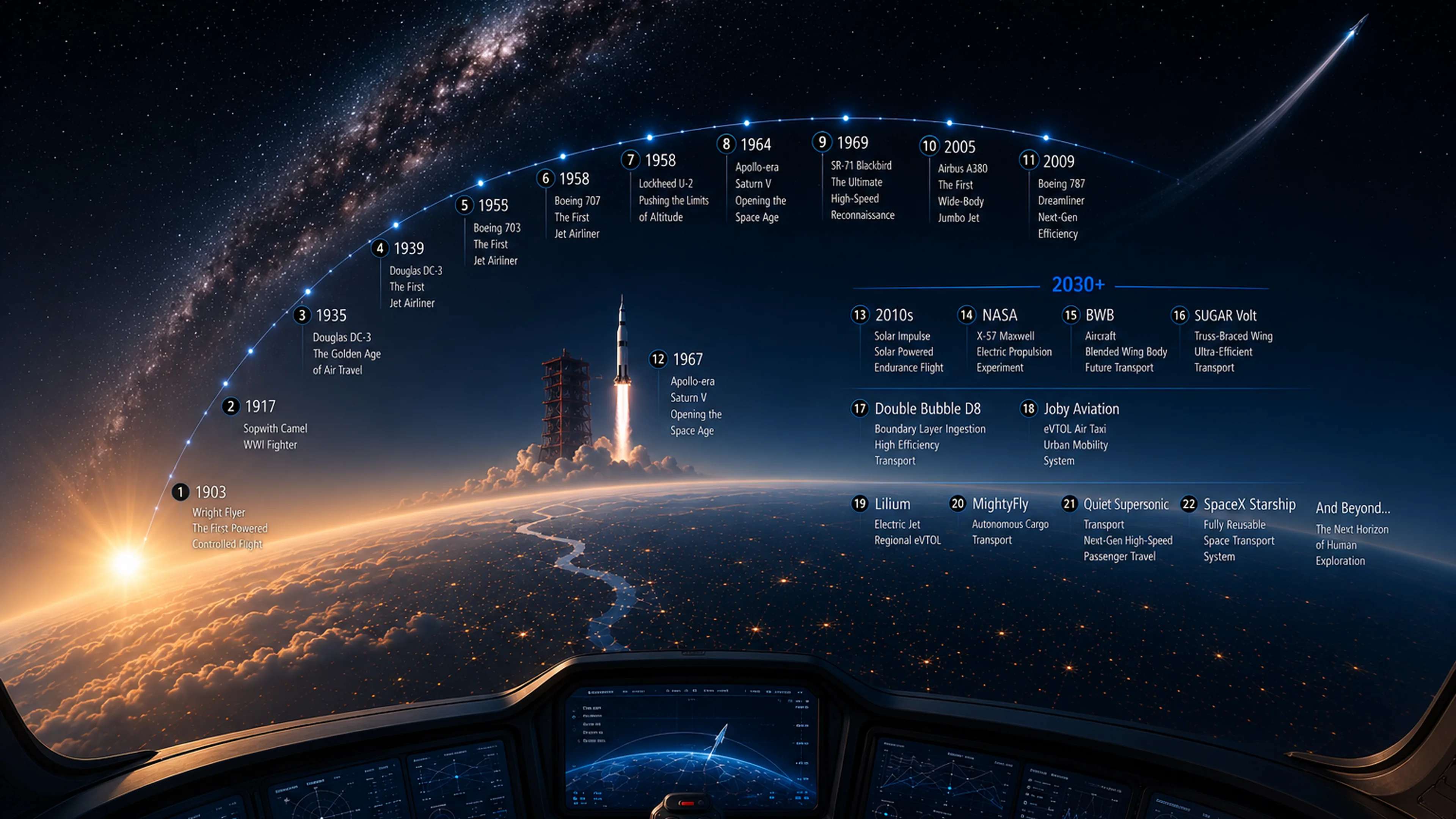
Every trajectory begins with curiosity.